


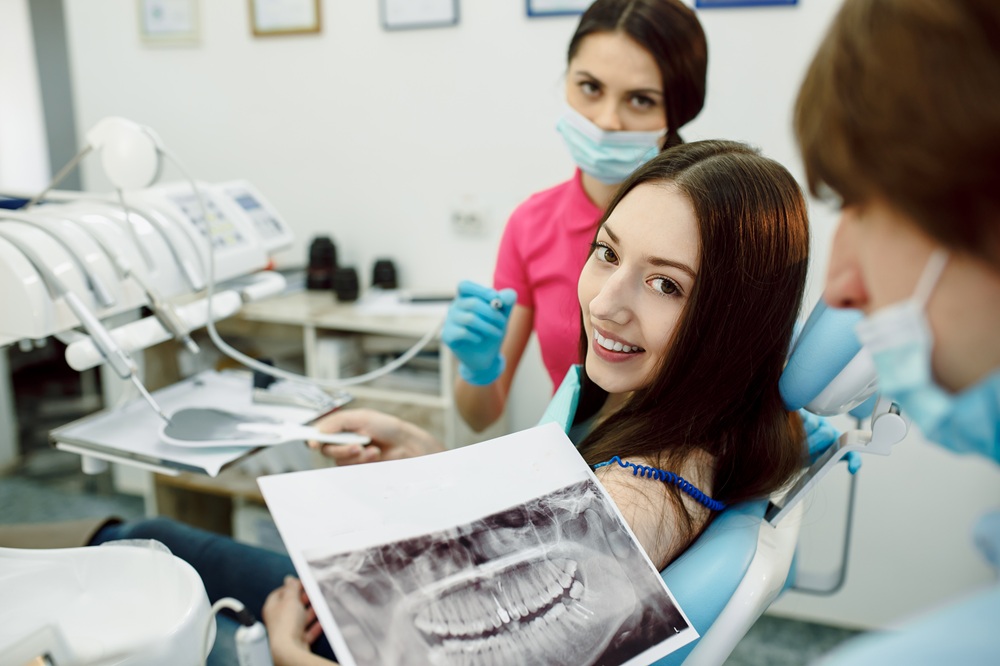
A tooth can sometimes be replaced on the day it is removed, but the timing depends on your mouth condition and the treatment chosen. Dental implants may be placed straight after an extraction if the jawbone can hold the implant securely and the surrounding tissues are suitable. A dental bridge may also be planned soon after tooth removal, depending on the health of the nearby teeth and how the gums are healing. However, placing a replacement right away does not always mean the permanent tooth will be ready immediately. A temporary tooth may be used to fill the gap while the area recovers. A dental assessment helps determine when treatment can begin and which option best supports your oral health.
Can a Dental Implant Be Placed Right After Tooth Removal?
In some cases, a dentist can place an implant in the space left by a removed tooth during the same visit. This is called immediate implant placement. The implant is placed into the jawbone, where it needs time to bond with the bone before it can support a final crown.
Immediate placement may be considered when:
- Enough healthy bone is available to securely hold the implant.
- The surrounding gums are in suitable condition.
- The tooth can be removed without causing too much damage to the bone.
- Infection and other oral health concerns have been assessed.
- The implant can be placed in a stable position.
Dental implant treatment in Red Deer may instead be planned after the extraction site heals. Waiting can be the safer choice when the bone needs to recover or additional treatment is required.
Can a Dental Bridge Replace a Tooth Immediately?
A dental bridge replaces a missing tooth by using nearby teeth or implants to support an artificial tooth. A traditional bridge usually relies on the teeth beside the gap, which may need to be shaped to hold the bridge.
A bridge may be fitted soon after an extraction if the supporting teeth are healthy and ready for treatment. However, the final bridge may need to wait until the gums have healed and their shape has become more stable. A temporary bridge can sometimes fill the gap during this period.
Dental Bridges treatment in Red Deer may suit people who want to replace a missing tooth without placing an implant in the jawbone. The best timing depends on the extraction site, the condition of nearby teeth, and the type of bridge being planned.
What Is the Difference Between Immediate Implants and Bridges?
Both options can fill a gap, but they work in different ways.
- Dental implants: A small post is placed in the jawbone to support a replacement tooth. The nearby teeth usually do not need to be shaped, but healing is often required before the final crown is attached.
- Dental bridges: An artificial tooth replaces the missing tooth and is supported by the surrounding teeth or implants. A traditional bridge may require changes to the supporting teeth.
- Healing: Implants need time to bond with the bone. Bridges do not need this same process, although the gums may still need time to heal after extraction.
- Long-term care: Both options need daily cleaning and regular dental checkups.
A dentist near you can explain the benefits, limits, costs, and expected treatment time for each option.
What Can Affect the Timing of Tooth Replacement?
Not everyone is suitable for immediate replacement. Several factors can affect when treatment should begin:
- Bone health: An implant needs enough bone for stable placement.
- Infection: An infection may need treatment before an implant is placed.
- Gum condition: Swelling or damaged gum tissue can affect the treatment plan.
- Extraction difficulty: A complex removal may affect the surrounding bone and gums.
- Overall health: Certain health conditions, medications, and smoking can affect healing.
A dental clinic in Red Deer can check your teeth and gums and help choose the right time for treatment. In some cases, it may be better to use a temporary tooth first and wait until the area heals before placing the final tooth.
What Happens if Immediate Replacement Is Not Possible?
If an implant or bridge cannot be placed right away, the gap can often be managed while the extraction site heals. Depending on your needs, a dentist may discuss a temporary removable tooth, a temporary bridge, or waiting until the site is ready for a permanent restoration.
Follow your dentist’s care instructions to help the area heal. Keep it clean as advised, eat soft foods while it is sore, and go to your follow-up visits. Avoid putting pressure on the area where the tooth was removed. Do not use a temporary replacement if it causes pain.
A dentist can check your healing and let you know when it is appropriate to move forward with the planned replacement.
Plan the Right Replacement for Your Missing Tooth!
Replacing a tooth promptly may be possible, but the safest timing depends on the condition of your gums, bone, and nearby teeth. At Piper Creek Dental Choice, you can discuss your options and learn which approach fits your oral health needs. Book your appointment today to plan the next step toward restoring your smile.
FAQs
Can an implant and a crown be placed on the same day?
An implant may be placed on the day of extraction, and a temporary tooth may sometimes be attached. However, the final crown often needs to wait until the implant has bonded with the bone.
Is a bridge faster than an implant?
A dental bridge may be ready sooner because it does not need time to join with the jawbone. However, the gums and nearby teeth must be ready for treatment. The total time depends on your dental health and healing.
Can an immediate implant stop bone loss?
A dental implant helps replace a missing tooth and supports chewing. However, it cannot stop all bone loss after a tooth is removed. Some changes in the bone can still happen as the area heals.
Can an infected tooth be replaced with an implant immediately?
It depends on the type and extent of infection and the condition of the surrounding bone. The infection must be assessed, and delaying implant placement may be safer in some cases.