


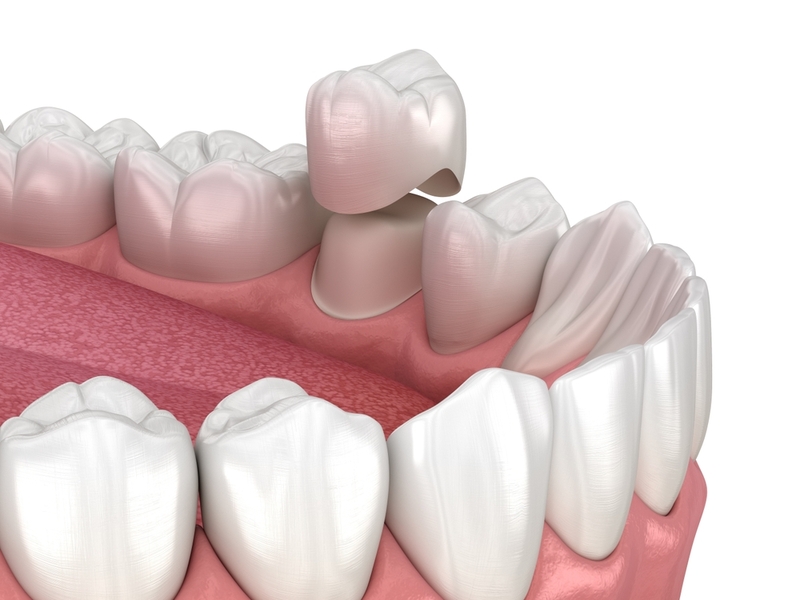
Ever wondered how dentists fix a damaged or weak tooth while keeping it strong and looking natural? Dental crowns in Red Deer are a great solution. These custom-made caps protect your teeth, make your smile look better, and help you chew comfortably. Knowing what a dental crown is, when you need one, and how to take care of it can make the process easier and help it last a long time.
What Is a Dental Crown?
A dental crown is a custom-made cap that covers a tooth completely. It restores strength, shape, and function to a damaged or worn-down tooth. Crowns can be made from different materials, such as porcelain, ceramic, metal, or a combination.
You may consider a crown if a tooth is cracked, heavily filled, or severely decayed. A well-fitted crown can last many years when proper care is taken.
When Would You Need a Dental Crown?
There are several situations where a dentist in Red Deer might recommend a crown:
- Large cavities or extensive decay that weaken the tooth.
- Cracked or broken teeth that need structural support.
- After a root canal treatment, the treated tooth should be protected.
- Cosmetic improvements, such as covering misshapen or discoloured teeth.
- To support a dental bridge or cover a dental implant.
Each patient’s situation is unique, so a professional evaluation is important to determine if a crown is the right option.
Types of Dental Crowns
Choosing the right crown depends on where the tooth is, how strong it needs to be, and how it looks.
Porcelain or Ceramic Crowns
- Best for front teeth because they look natural
- Resistant to stains and matches your other teeth well
Metal Crowns
- Very durable and ideal for molars that endure heavy chewing.
- Less noticeable, usually used for back teeth.
Porcelain-Fused-to-Metal Crowns
- Combines strength and natural appearance.
- The metal base adds durability while the porcelain offers a tooth-like look.
Zirconia Crowns
- Extremely strong and biocompatible.
- Often preferred for patients seeking long-lasting solutions.
Temporary Crowns
- Used while a permanent crown is being fabricated.
- Protects the tooth, but should be replaced with a permanent crown promptly.
The Dental Crown Treatment Process
The process of getting a dental crown is usually completed in two to three visits:
Initial Consultation and Tooth Preparation
- The dentist evaluates the tooth and takes X-rays.
- The tooth is reshaped to fit the crown properly.
Impression and Temporary Crown
- An impression is taken to create a crown that fits perfectly.
- A temporary crown is placed to protect the tooth.
Permanent Crown Placement
- Once the custom crown is ready, the temporary crown is removed.
- The permanent crown is fitted, adjusted, and cemented in place.
Dental Crown Aftercare Instructions
Take care of your dental crowns for it to last longer. This is how you do it.
- Make sure to brush your teeth twice daily using a soft toothbrush.
- Make sure to floss around the crown to keep it clean.
- Don’t chew very hard foods such as ice or hard candy.
- If you grind your teeth at night, wear a night guard.
- Regular visits to your dentist will allow them to check the crown and teeth near it.
Your crown can remain strong, function well and look good by following these steps.
Ready to Protect and Restore Your Smile?
Begin your journey towards a healthier, stronger and more confident smile. Contact our Dental clinic near you for a consultation that will help you discover the best dental crowns for you and get the right personalized advice that will help them last longer and blend in with your natural teeth.
FAQs
How long do dental crowns last?
With proper care and regular dental checkups, dental crowns can last around 10 to 15 years, and sometimes even longer. Brushing and flossing every day, and avoiding habits like chewing ice or hard things, can help your crown last longer.
Is getting a dental crown painful?
Most people don’t feel much pain during the procedure. The dentist uses local anesthesia to numb the area, so it is comfortable. You might feel a little pressure or sensitivity afterward, but this usually goes away in a few days.
Can I eat normally with a new crown?
Yes, you can eat normally. But for the first few days, it’s best to avoid sticky, chewy, or very hard foods so the crown stays in place.
What should I do if my crown feels loose or uncomfortable?
If your crown feels loose, wobbly, or hurts, call your dentist right away. A loose crown can let bacteria in and cause decay or damage to the tooth underneath. Getting it checked quickly helps prevent bigger problems.