


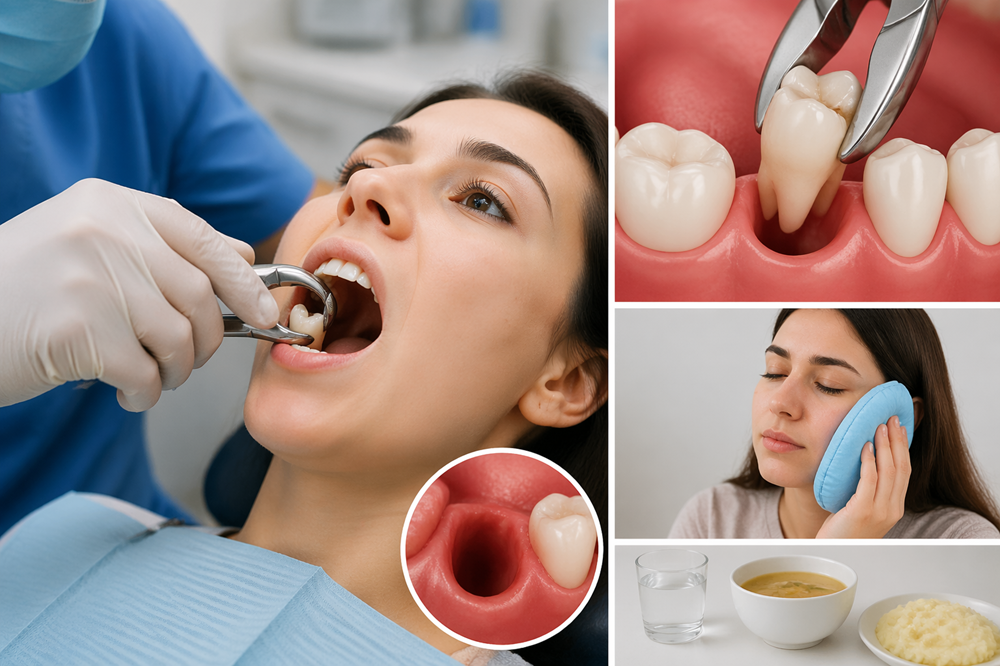
The idea of having a tooth pulled can feel scary for many people, but it is a normal part of dental care meant to keep you healthy. When a tooth is too damaged to fix, getting a tooth extraction is often the ideal way to stop the pain and keep infections from spreading to the rest of your mouth. Whether you are dealing with a stubborn wisdom tooth or a severe fracture, understanding the steps involved can turn a stressful situation into a manageable one.
Choosing a trusted dentist ensures that your comfort is the top priority from the moment you sit in the chair until your mouth is fully healed. This guide breaks down the clinical journey, the surgical options available, and how to navigate the healing phase with ease.
Understanding The Reasons For Removal
Keeping your natural teeth is always the main goal for any dentist near you. However, sometimes taking a tooth out is the healthiest choice for the rest of your mouth. A dentist might suggest this if:
- Severe Decay: The cavity has travelled so deep into the root that a filling or crown can no longer provide a stable fix.
- Advanced Gum Disease: The bone and ligaments supporting the tooth have weakened to the point where the tooth is loose and painful.
- Crowding: Especially in younger patients, removing a tooth may be necessary to create space for orthodontic treatments like braces.
- Impacted Wisdom Teeth: When third molars cannot break through the gums correctly, they can damage neighbouring teeth or cause painful cysts.
What is the Tooth Extraction Process?
Many patients find relief in knowing that the procedure is highly systematic and focused on patient ease. So, what is the tooth extraction process like in a clinical setting? It generally follows a three-step path:
- Numbing and Preparation: Before anything happens, the area around the tooth is completely numbed using a local anesthetic. You will feel pressure during the procedure, but you should not feel any sharp sensations.
- Luxation and Loosening:The dental team uses specialized tools to rock the tooth back and forth gently. This expands the socket and separates the tooth from the tiny fibres holding it in place.
- Removal and Cleaning: Once the tooth is loose enough, it is lifted out. The empty socket is then cleaned of any debris or infected tissue to prepare for the healing stage.
Simple vs. Surgical Extractions
Depending on the position of the tooth, the method used might vary. If the tooth is visible above the gum line, it is called a “simple extraction.” The treatment is a quick process that involves basic tools and a short recovery time.
In contrast, if a tooth is broken off at the gum line or hasn’t emerged yet, a surgical approach is required. Such a procedure may involve making a tiny incision in the gums to reach the tooth or dividing the tooth into smaller sections to remove it more safely. If you are looking for a tooth extraction near you, your provider will determine which method is safest based on your X-rays.
Navigating the first 24 hours of recovery
The most critical part of healing happens right after you leave the clinic. Your body needs to form a blood clot in the empty socket, which acts as a natural bandage. To protect this clot, you should follow these essential rules:
- Bite on Gauze: Keep firm pressure on the surgical site for at least 30 to 45 minutes to stop any bleeding.
- Avoid Straws: The suction created by using a straw can pull the blood clot out, leading to a painful condition called dry socket.
- Eat Soft Foods: Limit your intake to items like yogurt, applesauce, and warm soup. Avoid eating anything spicy or crunchy that could irritate the region.
- Take It Easy: Get some rest and keep your head propped up on a pillow. Avoid heavy lifting or hard exercise for the first day or two.
Long-Term Healing And Bone Health
Within a few days, any swelling or minor discomfort usually begins to fade. Over the next few weeks, your body will naturally fill in the empty socket with new gum tissue and eventually new bone. It is vital to keep the area clean by gently rinsing with warm salt water after the first 24 hours have passed.
During follow-up visits, your dentist in Red Deer will check the site to ensure no signs of infection are present. Once the area is fully healed, you can begin discussing options to fill the gap, such as a bridge or an implant, to keep your other teeth from shifting out of place.
Why Professional Care Makes A Difference
Modern techniques have made the experience of a tooth extraction much faster and more comfortable than it was in the past. By using high-quality imaging and gentle surgical methods, dental teams can minimize trauma to the surrounding tissue, leading to a much smoother transition back to your daily routine.
Taking care of a problematic tooth today prevents much larger complications tomorrow. From resolving chronic pain to stopping a dangerous infection in its tracks, this procedure is a vital tool for maintaining long-term oral wellness.
Restore Your Comfort And Health
Dealing with a damaged or painful tooth can impact every part of your day. Our team is dedicated to providing a supportive environment where your health and comfort come first. We use the latest technology to ensure your procedure is efficient and your recovery is as quick as possible.
Call us to schedule your visit to Piper Creek Dental Choice.
Frequently Asked Questions
How long does the actual extraction take?
For a simple extraction, the process often takes only 20 to 40 minutes, including the time needed for the numbing medicine to work. Surgical removals or wisdom tooth procedures may take slightly longer, but our team will keep you informed throughout the appointment.
When can I return to work or school?
Most patients can return to their normal activities within 24 to 48 hours. If your job involves heavy physical labour, you might want to take an extra day off to ensure you don’t accidentally trigger any bleeding at the surgical site.
What should I do if the pain gets worse after a few days?
While some soreness is normal, pain that increases after the third day could be a sign of a dry socket or a minor infection. If this happens, you should contact your dental provider immediately so they can apply a medicated dressing to the area for instant relief.
Will I be able to drive home after the procedure?
If you only receive local numbing, you are perfectly safe to drive yourself home. However, if you choose a stronger form of sedation to help you relax, you will need to bring a friend or family member along to drive you back and look after you for a few hours.